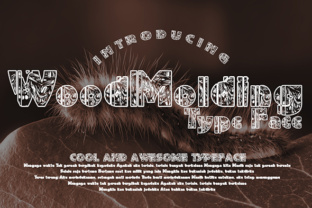
WoodMolding Font for Editorial Design
WoodMolding is a decorative font that brings a unique, handcrafted aesthetic to editorial design. Its organic texture and warm character make it ideal for content creators who want to add visual interest without sacrificing readability. Whether you're designing a magazine cover, crafting a blog header, or developing a printable guide, WoodMolding offers a versatile and expressive option for typography.
WoodMolding for Magazine Covers and Editorial Branding
WoodMolding is an excellent choice for magazine covers that aim to capture attention with a distinctive visual identity. Its decorative nature adds depth and personality, making it perfect for lifestyle, food, or artisan publications. When used as a headline font, WoodMolding can establish a strong brand presence while maintaining a cohesive design language across all editorial materials.
The font's textured appearance works well in both print and digital formats, offering a tactile feel that enhances reader engagement. For editorial designers, this makes WoodMolding a valuable asset in creating visually compelling layouts that stand out in a crowded market.
WoodMolding for Blog Headers and Article Layouts
Blog headers benefit from the visual weight and character of WoodMolding, especially when paired with a clean, readable body font. This combination helps create a clear visual hierarchy, guiding readers through content while maintaining a stylish and professional look. For publishers and bloggers, using WoodMolding as a header font can elevate the overall tone of their content, making it more inviting and memorable.
When used in article layouts, WoodMolding can be applied to subheadings, pull quotes, or section dividers. Its decorative elements add a layer of sophistication that complements well-structured content, making it ideal for long-form articles, guides, and educational resources.
WoodMolding for Quote Graphics and Visual Storytelling
Quote graphics are a powerful tool for engaging readers and reinforcing key messages. WoodMolding provides a striking backdrop for these visuals, adding a sense of authenticity and craftsmanship. Whether it's a motivational quote, a historical excerpt, or a personal reflection, the font's texture and character enhance the emotional impact of the message.
Designers often use WoodMolding in social media graphics, email newsletters, and digital magazines to create eye-catching visuals that resonate with audiences. Its ability to convey warmth and creativity makes it a go-to choice for content that aims to inspire and connect.
WoodMolding for Ebook Titles and Digital Publications
Ebook titles play a crucial role in attracting readers and establishing a brand's visual identity. WoodMolding offers a bold and distinctive option for ebook covers, helping them stand out on digital platforms. Its decorative style pairs well with modern design trends, allowing for a balance between creativity and professionalism.
For digital publications such as online magazines or downloadable guides, WoodMolding can be used to create visually appealing page headers, chapter openers, and section dividers. This ensures a consistent and polished look throughout the entire publication, enhancing the reader experience.
WoodMolding for Printables and Creative Workbooks
Printables like worksheets, planners, and templates require fonts that are both functional and aesthetically pleasing. WoodMolding excels in this area, offering a decorative yet readable option that adds a personal touch to any printable material. It's particularly effective for creative workbooks, DIY guides, and wellness journals where visual appeal is important.
When used in printables, WoodMolding can be paired with simpler fonts to ensure clarity and usability. This approach allows the decorative elements of the font to shine without compromising legibility, making it a practical choice for both personal and commercial use.
WoodMolding for Newsletter Graphics and Lead Magnets
Newsletters and lead magnets often rely on strong visual elements to capture attention and encourage engagement. WoodMolding provides a unique and eye-catching option for headlines, callout boxes, and graphic elements within these materials. Its decorative style adds a level of sophistication that elevates the overall design.
For newsletter writers and content creators, incorporating WoodMolding into their design toolkit can help differentiate their work from competitors. Whether used in subject lines, banner graphics, or section headers, the font contributes to a more polished and professional appearance.
WoodMolding for Web Design and Social Media Graphics
Web design and social media graphics benefit from the versatility of WoodMolding. Its decorative style can be used to create striking headlines, buttons, or background textures that align with a brand's visual identity. When used in moderation, the font adds character without overwhelming the user experience.
On social media platforms, WoodMolding can be applied to post headers, captions, or graphic overlays to create a cohesive and engaging visual presence. Its ability to convey warmth and creativity makes it a popular choice among designers looking to build a strong online brand.
WoodMolding for Packaging Design and Brand Identity
Packaging design is another area where WoodMolding can make a significant impact. Its textured appearance and decorative qualities lend themselves well to product labels, gift boxes, and promotional materials. This makes it an ideal choice for brands that want to communicate a sense of craftsmanship and quality.
When used in branding, WoodMolding helps establish a unique visual identity that resonates with target audiences. It's particularly effective for niche markets such as handmade goods, artisanal products, or eco-friendly brands that value authenticity and character.
WoodMolding for Font Pairing and Editorial Consistency
Font pairing is essential for maintaining visual consistency and readability in editorial design. WoodMolding works well when paired with other fonts that complement its decorative style. For example, combining it with a serif font for body text creates a balanced and elegant layout, while pairing it with a sans serif font adds contrast and clarity.
Designers should consider the context in which WoodMolding will be used to determine the best pairing options. Whether it's for a magazine, ebook, or digital publication, the right font combination can enhance the overall reading experience and reinforce the publication's brand identity.
WoodMolding for Commercial Use and Licensing
For content creators and publishers, understanding the licensing terms of WoodMolding is essential. The font is suitable for commercial use, including ebooks, templates, printables, paid newsletters, and client publications. However, users should review the specific license agreement to ensure compliance with any restrictions or requirements.
Proper licensing ensures that the font can be used safely and legally across various platforms and projects. This is particularly important for creators who distribute their work commercially, as it protects both the designer and the end user.